Best gardeners in Surbiton KT6 for small front gardens
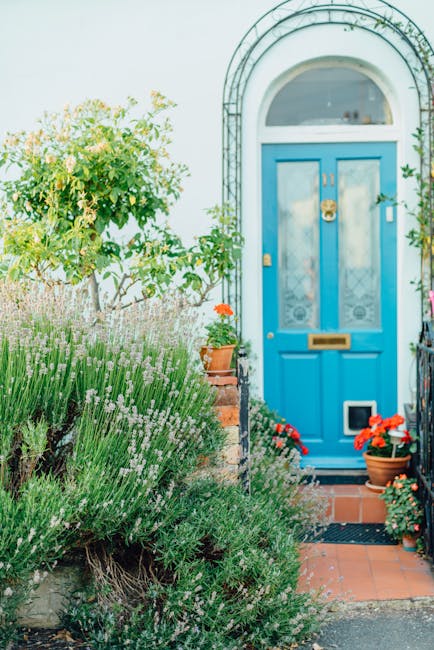
If you have a compact front garden in Surbiton KT6, you already know it can be a blessing and a bit of a nuisance. It is small enough to manage, yes, but also small enough for every messy edge, tired shrub, and patchy lawn to stand out the moment you walk up the path. Choosing the Best gardeners in Surbiton KT6 for small front gardens is really about finding someone who understands proportion, neatness, and the practical realities of London plots. In this guide, we will look at what good small-garden care actually involves, how to judge a reliable gardener, and what results to expect without overspending or overcomplicating things.
Front gardens set the tone. They are the first thing you see on the way in, and the first thing neighbours, visitors, and delivery drivers notice too. That does not mean they need to be elaborate. Often, the best approach is the simplest one done properly.
- Why this matters
- How the service works
- Key benefits
- Who it is for
- Step-by-step guidance
- Expert tips
- Common mistakes
- Tools and recommendations
- Law, compliance, and best practice
- Options and comparison
- Real-world example
- Practical checklist
- Conclusion
- Frequently asked questions
Why Best gardeners in Surbiton KT6 for small front gardens Matters
A small front garden is not just a mini version of a big garden. It has different priorities. Space is limited, sightlines matter more, and clutter shows up fast. A good gardener in Surbiton KT6 understands that the job is not to fill the space with lots of features. It is to make the space feel calm, tidy, and intentional.
That matters for several reasons. First, front gardens affect kerb appeal. A clean border, trimmed hedge, and well-kept lawn can make even a modest property feel cared for. Second, small spaces are easy to overwork. Too many plants, too much edging, or heavy-handed pruning can make the area look cramped rather than neat. Third, a front garden is usually seen in passing, so maintenance has to be efficient. You want results you can see straight away, not a project that drags on for weeks.
In a place like Surbiton, where homes often mix period charm with practical everyday use, a front garden has to do a job. It should look welcoming without becoming a chore. That is where experienced local gardeners tend to stand out.
Expert summary: The best small-front-garden work is usually simple, precise, and repeatable. Think clean lines, manageable planting, and maintenance that keeps the garden looking good between visits rather than only on day one.
How Best gardeners in Surbiton KT6 for small front gardens Works
For a small front garden, the process is usually more about judgement than brute force. Good gardeners start by looking at the shape of the space, the amount of sunlight, access from the pavement or path, and how often the garden needs to be maintained. A tiny strip of lawn facing north may need very different care from a paved frontage with a couple of beds and a hedge.
In practice, the work often begins with a tidy-up. That could mean clearing dead leaves, lifting debris, edging borders, cutting back overgrowth, and removing anything that makes the garden feel crowded. If the frontage has become neglected, a garden clearance service may be the right starting point before regular maintenance begins.
After that, the gardener focuses on structure. For a small garden, structure matters more than quantity. A few healthy plants placed well usually beat a crowded mix of shrubs and borders that all fight for space. Lawn areas, if present, need regular mowing and neat edging. Hedging needs controlled trimming. Any awkward trees or large limbs that cast too much shade may need careful assessment, and in some cases tree lopping and removal is the safer route.
Once the basics are in place, maintenance becomes easier. That is the real win. The garden stops feeling like a constant battle.
Key Benefits and Practical Advantages
There are several good reasons to invest in a specialist gardener for a compact frontage, and they are not all about looks. Appearance is one part, but function and ease matter just as much.
- Better kerb appeal: A neat front garden makes the whole property feel looked after.
- Smarter use of space: Small plots need careful proportion, not random additions.
- Lower maintenance: Good pruning, edging, and planting choices reduce weekly effort.
- Safer access: Clear paths, controlled growth, and tidy surfaces help avoid trips and blocked entrances.
- Seasonal resilience: A thoughtful setup holds up better in wet winters and dry spells.
- Less waste: Proper maintenance means fewer plant losses and less need for repeated replacements.
There is also a practical money angle, though it is easy to overlook. A garden that stays manageable tends to cost less over time than one that repeatedly gets out of hand. A small front garden left for months can become surprisingly time-consuming. Then you are paying for catch-up work, not maintenance. Nobody enjoys that. Not you, not the gardener.
Who This Is For and When It Makes Sense
This kind of service is a good fit for homeowners who want the front of their property to stay neat without spending every weekend on it. It is also useful for landlords, busy professionals, older residents, and anyone preparing a home for sale or rental viewings. A tidy frontage can make a real difference when first impressions matter.
It makes particular sense if your front garden has one or more of these issues:
- the lawn is small but patches quickly
- hedges or shrubs have become too wide for the space
- the garden looks cluttered rather than planted
- you have limited time to maintain it yourself
- the area needs regular, not occasional, upkeep
- you want a more polished finish without full landscaping
If your frontage is mainly decorative, the work may be light but frequent. If it includes a lawn, hedge, or boundary planting, then regular visits from a trusted local gardener can keep things under control. To be fair, that is usually where people feel the biggest relief: the garden stops nagging at the back of your mind.
Step-by-Step Guidance
Here is a sensible way to approach a small front garden project without overthinking it.
- Assess the space honestly. Look at what actually needs to stay, what needs to go, and what simply needs tidying.
- Decide the purpose. Do you want a neat low-maintenance frontage, a greener feel, or a more stylish entrance?
- Remove the obvious problems first. Overgrown shrubs, dead plants, fallen debris, and uneven edges should be dealt with before anything decorative.
- Reset the structure. Re-edge beds, define borders, and make paths feel open and easy to use.
- Choose manageable planting. Select plants that suit the light, soil, and space rather than forcing in what looks nice in a nursery.
- Set a maintenance rhythm. For many small front gardens, regular trimming and light care work better than rare heavy visits.
- Review after a few weeks. Small spaces show change quickly, so a short review after initial work helps keep things on track.
If you are starting from a messy patch, the order matters. Clear first, shape second, plant third. Jumping straight to planting is a common mistake, and it usually shows. A good gardener will know when to say, "let's sort the basics before we buy anything pretty." Sensible, really.
Expert Tips for Better Results
Experienced gardeners tend to think in layers: surface, shape, and maintenance. That is useful for small front gardens because every inch counts.
Use repetition instead of variety overload. A small entrance looks calmer when the planting palette is limited and repeated. It feels deliberate rather than crowded.
Keep the front boundary clean. A hedge, fence line, or edge that is trimmed evenly does a lot of visual work. One straight line can make the whole garden seem sharper.
Think from the street backwards. Ask what the garden looks like from the pavement first. That is the view most people see, after all. It is not always the view we spend time thinking about, but it matters.
Choose plants that forgive neglect. For many small plots, robust shrubs and tidy perennials are a safer bet than delicate planting that needs constant fussing. Not glamorous perhaps, but far easier to live with.
Plan for rain and runoff. Front gardens in London often get compacted soil, splashback, and foot traffic. Improving drainage and using mulch can help a lot, especially in wetter months.
Trim for shape, not severity. Over-pruning can leave a front garden looking bare for weeks. Gentle, regular trimming usually gives a better result.
One small but useful habit: keep a monthly note of what is growing fastest. That makes it easier to set the right maintenance cycle. Nothing fancy. Just a quick reminder on your phone, perhaps while the kettle is boiling.
Common Mistakes to Avoid
Small front gardens are easy to get wrong because the mistakes are amplified. Here are the ones that come up most often.
- Overcrowding the space: Too many plants make a small frontage look smaller.
- Ignoring scale: Large shrubs or trees can dominate quickly and block light.
- Using the wrong mowing pattern: Tiny lawns need careful mowing, not rushed passes that leave scalping or edges untidy.
- Forgetting access: A beautiful garden that makes the front door awkward to reach is not a win.
- Letting hedges drift outwards: Even a few extra inches can narrow the space and make it feel cramped.
- Choosing high-maintenance planting: Pretty in May, frustrating by August. You know the type.
- Leaving waste behind: After pruning or clearance, the site should be left tidy and usable.
One of the biggest errors is assuming a small garden needs less skill. In reality, it often needs more judgement. There is nowhere for mistakes to hide. A sloppy edge is obvious. An unbalanced shrub is obvious. A patchy finish is, well, very obvious.
Tools, Resources and Recommendations
You do not need a huge kit to maintain a small front garden well. In many cases, the difference comes from using the right tools neatly and regularly.
For a gardener, the practical essentials usually include:
- sharp shears for precise trimming
- edging tools for border definition
- lightweight mowing equipment for compact lawns
- rakes and collection bags for debris
- basic hand tools for weeding and planting
- appropriate protective gear for cutting and clearing tasks
If you are hiring someone, it is worth asking how they approach smaller spaces and what kind of aftercare they recommend. A good provider should be comfortable explaining why one method suits a narrow bed while another suits a paved frontage. If you want to explore the broader range of services available, the services overview is a useful place to start, and you can also look into routine garden maintenance for ongoing care.
For one-off tidy-ups, services such as garden clearance can reset an overgrown frontage, while lawn mowing and hedge trimming help keep a neat, compact finish between larger visits.
Law, Compliance, Standards, or Best Practice
For domestic garden work, the main concern is usually safety and responsible practice rather than heavy regulation. That said, a reputable gardener should still follow sensible UK norms. If work involves cutting, lifting, clearing, or using machinery near the public highway, safety matters. If trees or larger branches are involved, the job needs to be approached carefully and, in some cases, with specialist support.
Good practice usually includes:
- carrying appropriate public liability insurance
- using safe methods for tools, ladders, and cuttings
- disposing of waste responsibly
- protecting nearby paths, walls, and parked vehicles
- being honest about what can and cannot be done safely in one visit
If you are comparing providers, it is reasonable to ask about insurance and safety procedures. You can also review relevant company policies such as insurance and safety and health and safety policy to understand how a company approaches risk, especially when work involves ladders, tools, or heavier clearance tasks.
Environmental care matters too. Small garden jobs can still create a surprising amount of green waste, and good contractors should handle it sensibly. If sustainability matters to you, have a look at recycling and sustainability for a clearer idea of responsible waste handling and reuse.
Options, Methods, or Comparison Table
There is more than one way to keep a small front garden looking sharp. The best choice depends on how much work the space needs and how often you want to think about it. Below is a simple comparison that may help.
| Approach | Best for | Pros | Trade-offs |
|---|---|---|---|
| Regular maintenance visits | Gardens that already have decent structure | Keeps everything neat, predictable, and easy to manage | Requires ongoing schedule and some planning |
| One-off tidy-up | Overgrown or neglected front gardens | Fast reset, good before selling or letting a home | Can slide back if follow-up care is missed |
| Light landscaping | Spaces needing a better layout or new planting structure | Improves both appearance and function | Takes more planning than simple maintenance |
| Targeted specialist work | Problem hedges, awkward trees, or hard surfaces | Solves specific issues properly | May need different skills or a more tailored quote |
For most small front gardens, the sweet spot is usually a mix of maintenance and occasional corrective work. Not too much. Not too little. Just enough to keep the space looking clean without turning it into an ongoing renovation.
Case Study or Real-World Example
Imagine a typical KT6 frontage: a narrow strip at the front of a semi-detached home, a short path to the door, a few tired shrubs, and a small lawn that has started to thin out at the edges. Nothing dramatic. Just a space that always looks slightly behind, especially after a wet week and a few windy days.
The first visit focuses on clearing fallen leaves, re-edging the borders, cutting back one shrub that is hogging the light, and mowing the lawn properly rather than shaving it too short. The front path is cleared so it feels wider. A couple of plants are kept because they have good shape, while one or two are removed because they simply do not fit the space. That part is not always popular at first, but it usually makes sense once the dust settles.
By the second visit, the garden already feels different. Not redesigned, just calmer. The front no longer looks like a to-do list. It looks like a front garden again. And that is often the goal for small spaces: not a dramatic transformation, but a reliable improvement that holds up week after week.
That kind of result is especially useful if you are short on time, expecting visitors, or preparing a property for sale. The best work is often the sort people notice without being able to say exactly why it feels better.
Practical Checklist
Use this checklist before you book a gardener or plan a small front garden refresh.
- Is the main goal tidy maintenance, a one-off reset, or a layout change?
- Do you need lawn care, hedge trimming, clearance, or all three?
- Are any plants too large for the space they are in?
- Is there enough light for the current planting?
- Do borders and edges look clean from the pavement?
- Are paths clear and easy to use?
- Do you want low-maintenance planting going forward?
- Have you asked about waste removal and tidy-up after the job?
- Does the gardener explain the plan in plain English?
- Is the quote clear about what is included and what is not?
If you can tick most of these boxes, you are already in good shape. If not, that is fine too. It just means the space needs a bit more thought before work starts.
Get a free quote today and see how much you can save.
Conclusion
Finding the Best gardeners in Surbiton KT6 for small front gardens is really about choosing people who respect the scale of the space. Small front gardens do not need grand gestures. They need careful attention, tidy finishing, and sensible maintenance that keeps them looking good without constant stress.
Whether you need a one-off clearance, regular garden maintenance, or a more thoughtful approach to planting and layout, the right gardener should make the space feel easier to live with. That is the real value. A front garden that quietly does its job, looks welcoming, and does not ask too much of your week.
If you are ready to take the next step, start with a clear brief, ask sensible questions, and choose a team that treats small spaces with the same care they would give to a larger one. A little attention goes a long way. Honestly, sometimes it is enough to change how the whole house feels when you arrive home.
Frequently Asked Questions
What should I look for in a gardener for a small front garden in Surbiton KT6?
Look for someone who understands scale, neat finishing, and low-maintenance planting. For a compact frontage, precision matters more than size of team or how many tools they arrive with.
How often should a small front garden be maintained?
It depends on what is in the garden, but many small front gardens benefit from regular light maintenance rather than rare heavy visits. Lawns and hedges usually need the most consistent attention.
Is garden clearance useful before ongoing maintenance?
Yes, especially if the garden has become overgrown. A clearance visit can reset the space so regular maintenance starts from a clean, manageable baseline.
Can a small front garden be made low maintenance without looking bare?
Absolutely. The trick is choosing the right planting and keeping the structure simple. Repetition, tidy borders, and sensible pruning often work better than packing in lots of plants.
Do I need landscaping or just garden maintenance?
If the layout is basically fine and only needs tidying, maintenance is usually enough. If the space feels awkward, unbalanced, or hard to use, light landscaping may be more appropriate.
What services are most common for front gardens?
Lawn mowing, hedge trimming, border tidying, weed control, and occasional garden clearance are very common. Some front gardens also need decking or small hardscape adjustments, depending on the layout.
How can I tell if a quote is fair?
A fair quote should explain what is included, what waste will be removed, and whether the job is one-off or recurring. If it feels vague, ask for a clearer breakdown before agreeing.
What if my front garden has an awkward tree or heavy shade?
That is a common issue in compact urban gardens. The answer may involve pruning, better plant selection, or specialist tree work. If safety is a concern, it is best handled carefully rather than rushed.
Are there safety or insurance questions I should ask before booking?
Yes. It is sensible to ask whether the gardener carries appropriate insurance and follows safe working practices. That is especially important if ladders, cutting tools, or waste removal are involved.
Can a gardener help my front garden look better for a house sale?
Very much so. A neat front garden can improve first impressions quickly. Buyers often notice the approach to a property before they notice anything else, and that first look can really matter.
Do small front gardens need specialist planting advice?
Often they do. Small spaces benefit from plants that stay in proportion, suit the light level, and do not create extra work every few weeks. Good advice here saves time and frustration later.
Where can I learn more about available services?
You can review the company's services overview, explore garden maintenance, or look at landscape gardening if the space needs a bigger rethink. For practical next steps, the pricing and quotes page is also helpful.
How do I contact the team if I want to discuss my garden?
If you are ready to talk through the job, you can use the contact page. If you would like to understand the company a little better first, the about us page is a good place to start.